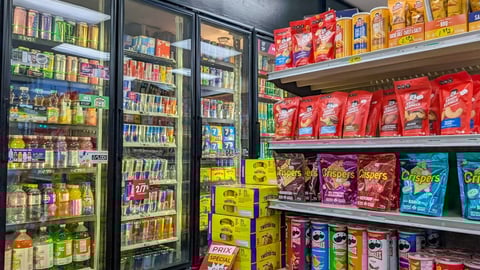
Powered by protein

Not long ago, convenience shoppers looking for a protein boost were largely limited to meat snacks and sports nutrition bars. While both remain valuable categories, today protein is expanding across the snack and dairy aisles, fuelled by growing interest in healthy aging and functional nutrition, as well as viral protein hacks (cottage cheese, anyone?) and the rise of GLP-1 medications.
Globally, the protein snacks market is expected to grow from US$37.3 billion in 2026 to US$72.2 billion by 2033, according to Persistence Market Research. North America leads the way, accounting for 38% of the global market in 2025. Protein bars command 34% of market share, while chips are the fastest-growing product type.
That demand creates an opportunity for gas and convenience retailers to sharpen their assortment and give customers more reasons to shop across the store.
“Retailers are evaluating categories that are stagnant or in decline and are looking for high-protein product options to help re-engage customers,” says David Ricci, business development manager at True North Nutrition, a distributor of sports supplements, natural health products and functional foods. “If a customer doesn’t find what they’re looking for, they’ll leave. So, if products in the sweet pastry section aren’t performing well, for example, what can replace them?”
In that category, one alternative to look at is Redefine Foods’ Protein Donuts, which has a line of individually packaged donuts delivering 15 grams of protein each. “Customers are looking for something new and different than what’s typically been there,” says Ricci.

Fuelling up with functional drinks
High-protein beverages also have potential as a strong draw in the gas and convenience channel. “Shoppers in this channel value time and are often looking for quick, functional options that can replace a snack, support a busy commute, or provide a post-workout refuel,” says Jeff Schnekenburger, regional director of foodservice at Saputo Dairy Products Canada. “That makes single-serve dairy beverages a strong fit, particularly when they combine ease of consumption with nutritional benefits, such as protein.”
Saputo offers a range of high-protein dairy products and beverages, including Milk2Go Sport protein shakes, Joyya ultra-filtered milk and Dairyland Protein. “Saputo has continued to expand its high-protein offerings across many different container formats, flavours and brand lines,” says Schnekenburger. “This kind of portfolio expansion helps Saputo serve multiple consumer needs while staying aligned with demand for convenience, functional nutrition and accessible dairy-based protein.”
On the merchandising front, Schnekenburger says the most effective tactics for c-stores tend to be high-visibility, high-traffic second displays, grab-and-go coolers and simple benefit-led messaging. “Clear communication around protein content, flavour and usage occasion also matters because shoppers make decisions quickly in this channel,” he says. “These tactics can help generate trial and encourage impulse purchases.”

Another brand in the high-protein beverage space is Fairlife Core Power, a ready-to-drink, lactose-free protein milkshake available in five varieties. Each 414 mL bottle provides 26 grams of protein, while Core Power Elite delivers 42 grams of protein.
“Single-serve bottles are designed for immediate consumption and fit naturally into convenience occasions—post workout, between meetings or as a quick protein boost alongside coffee or a meal,” says Avijit Bose, director, category, stills and energy at Coke Canada Bottling.
He notes that Core Power is performing strongly in Canada’s convenience channel because it aligns with how shoppers use the channel: quick, functional fuel. “In addition, with 44% of Canadians reporting some level of lactose intolerance—particularly among fast‑growing ethnic populations—lactose‑free options like Core Power are more relevant than ever,” Bose says.
To drive greater visibility and a simpler shopping experience, Core Power is increasingly merchandised in high-traffic areas like the cold vault, deli and coffee zones. “Marketing emphasizes clear protein benefits and everyday recovery, while targeted cross-merchandising and promotion programs help prompt trial and incremental purchases,” says Bose.
Sweet success with protein
Protein is popping up in unexpected products, including sodas, chocolate treats and even candy.
In 2024, Protein Candy partnered with Peak Performance Products, a Canadian distributor of health and sports nutrition, to introduce what they call the world's first "Super Candy."
Unlike traditional gummies or low-sugar candies that offer little nutritional value, Protein Candy is designed with macros that look more like a protein bar, with 14 grams of protein, 4 grams of sugar, 6 grams of prebiotic fibre and only 140 calories.
Morgan Kingdon, vice-president of marketing, Protein Candy, said at the time: "Protein Candy is a game-changing super candy because it satisfies your sweet tooth just like real candy should while delivering a lean, muscle-building protein boost with almost no sugar."
Now available in six flavours, it’s naturally sweetened with monk fruit juice and stevia and made with natural flavours and colours.
Fibre, the next protein frontier
While protein is going strong in the snack aisle, fibre is gaining greater attention as consumers better understand its role in gut health. According to Mintel, most people consume far less than the recommended 25 to 30 grams of dietary fibre per day, creating a nutritional gap that food and beverage brands can help fill.
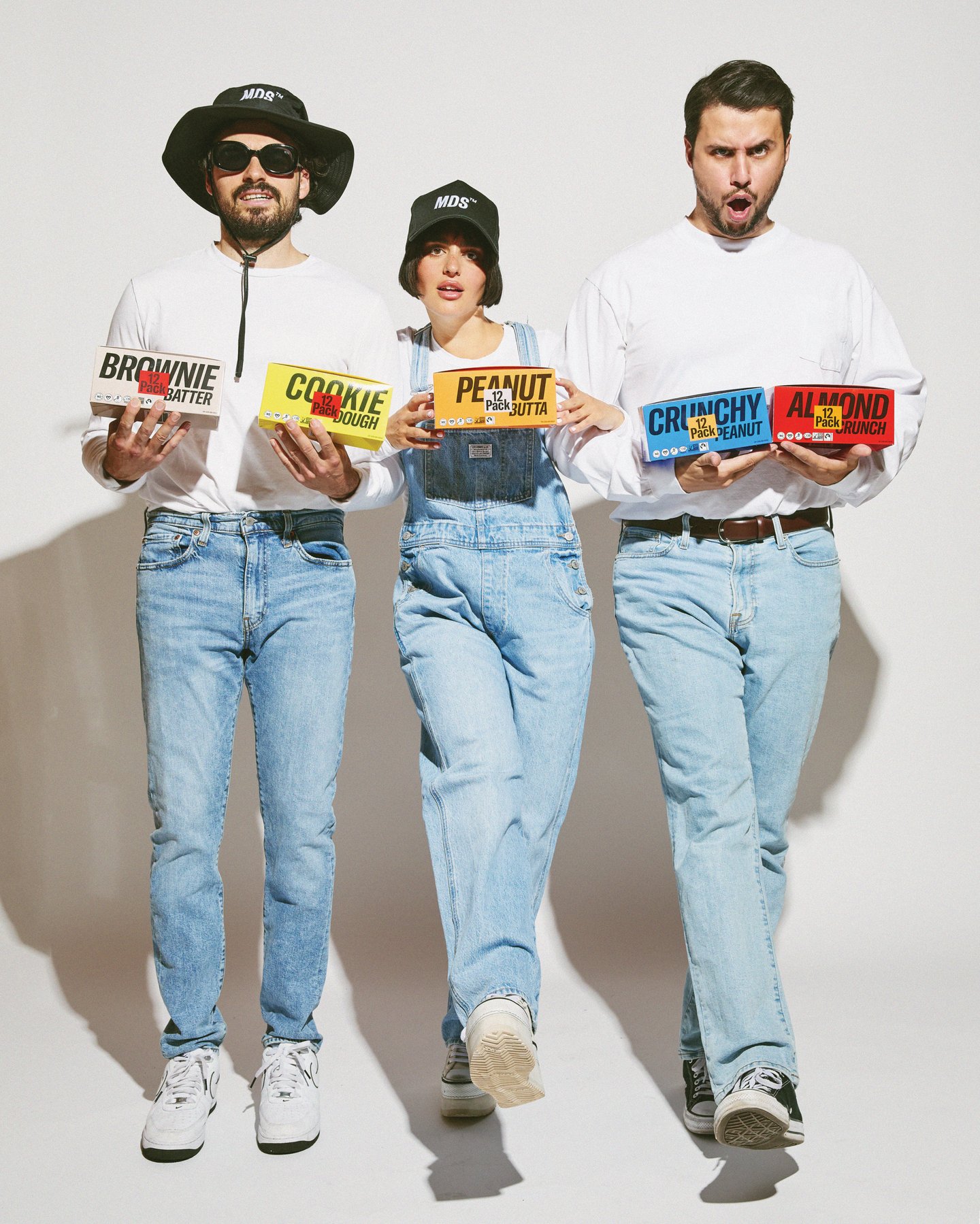
Mid-Day Squares is one snacking company offering that balance. Founded in 2018, Mid-Day Squares was created around the idea of what makes a great snack. “It’s something that’s satiating, extremely tasty and doesn’t make you crash after you eat it,” says co-founder Nick Saltarelli. “It should be balanced in protein, fibre and fat.”
Mid-Day Squares contain no artificial flavours, preservatives or fillers, and are gluten-free. Through a new partnership with Martel Foods, Mid-Day Squares are now sold in Martel’s fresh sandwich refrigerators at gas and convenience stores throughout Quebec.
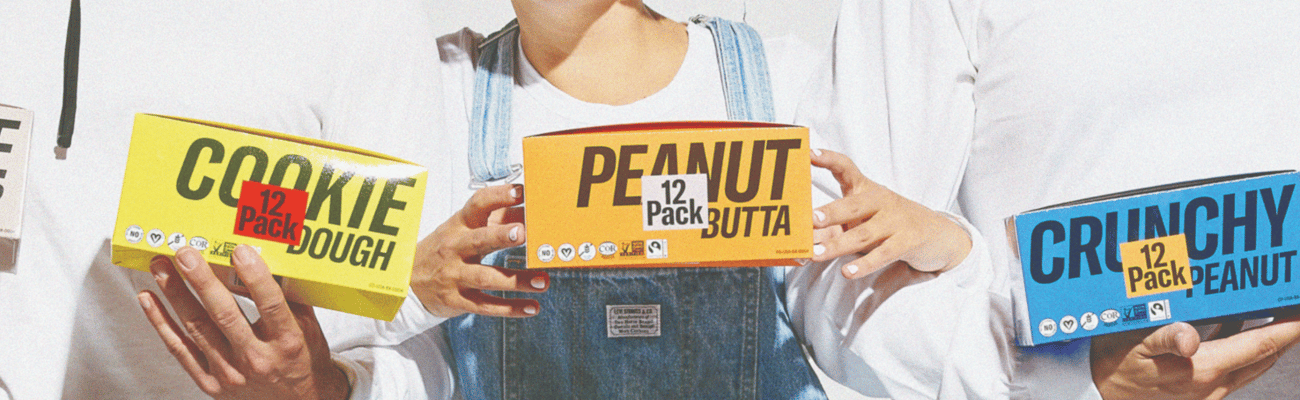
Mid-Day Squares also recently launched a product specifically developed for the convenience and gas channel, No Bread PB&J, which provides 6 grams of protein and 4 grams of fibre in a 35-gram square in two flavours: grape and strawberry. Other varieties include Cookie Dough, Crunch Peanut, Brownie Batter, Peanut Butter and Almond Crunch.
“We’re trying to be better-for-you indulgence, which means clean labels and lower sugar counts,” says Saltarelli. “We made sure that everything in our lineup has a fibre and a protein component, so you don’t have the sugar crash after.”
More broadly, Saltarelli notes that consumers are eating smaller snacks throughout the day. “[Mid-Day Squares] are sub-40-gram items that they can eat, digest quickly and feel good,” he says. This particularly resonates with consumers on GLP-1 medications.
“We hear it all the time: ‘you made a perfect snack for the GLP-world,’” says Saltarelli, who adds the company was ahead of the curve by pure accident. “We just intended on making a great snack… But GLP-1s are here to stay, and they will fundamentally change the food industry forever.”
Looking ahead, True North Nutrition’s Ricci sees strong potential in high-protein products that support muscle maintenance for GLP-1 users, as well as snacks that combine both protein and fibre, alongside clean labels. His advice to retailers is to be open to something new. “Consumers are looking for the newest, latest and greatest inovative products,” says Ricci. “That’s going to keep them coming in.”
Originally published in the July/August 2026 issue of Convenience Store News Canada