Winning over women shoppers: How convenience stores are rethinking the in-store experience

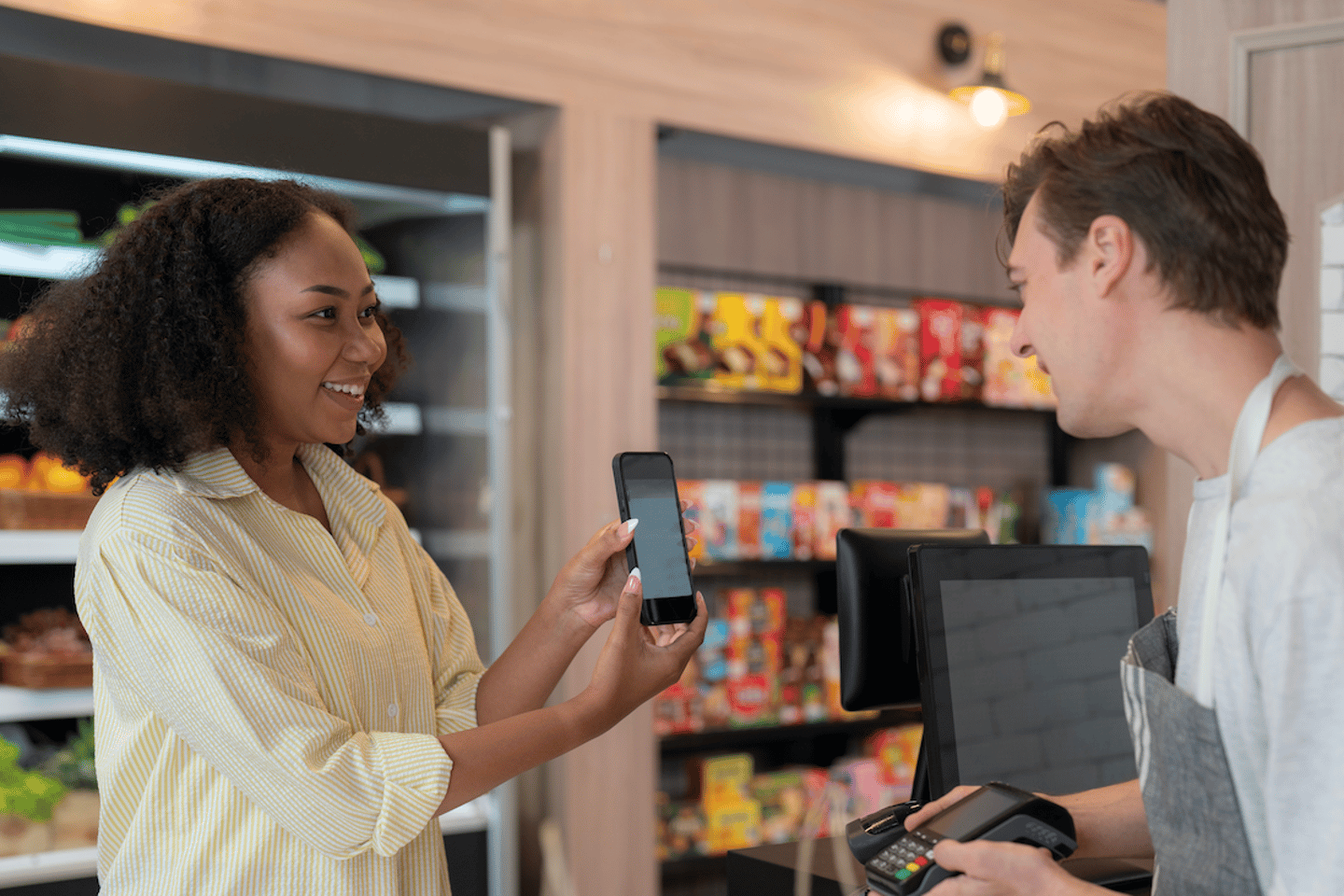
As female consumers increasingly rely on convenience retail for quick fill-in trips, late-night safety and functional beverage runs, convenience store operators and CPG brands are shifting their strategies to better serve this key audience. Understanding these evolving habits offers valuable guidance for modern c-stores aiming to elevate the customer experience.
As vice-president, partnerships and growth at Shopper Marketing Media, Cassandra Gallagher uses neighbourhood demographic and behavioural data to inform in-store campaigns.
One shift she’s seeing: more women shopping at c-stores.
“Large format versus small grocery skews very heavily female, because the head-of-household shopper is often female. But we're seeing those lines really blur,” says Gallagher, who previously was shopper marketing lead at Google and worked at Mars United Commerce before joining Shopper Marketing Media in February. “The lines are also blurring when it comes to convenience [versus grocers].”
But Gallagher says behaviour matters more than demographics alone. “To me, the behavioural piece is more important than the gender piece. That being said, gender shouldn't be discounted.
It's something retailers and brands should both consider when planning and ensuring media dollars are spent strategically.”

For Hasty Market Corp., attracting more women shoppers is influencing both its store strategy and its approach to new brands.
“Attracting more women into c-stores represents a significant opportunity for our industry and was a major focus for us when developing The Market On brand,” says Marietta Cini, Hasty’s VP of operations and development.
Launched in 2024, the “neighbourhood” store concept now has six locations in Ontario, with Hasty targeting 10 The Market On locations by the end of 2026.
So, what can c-stores and forecourts do to better attract and serve women shoppers?
Close the convenience experience gap
Linda Thompson, managing partner at Fuel Partners, says c-stores should cater to women by recognizing the experience they enjoy in other destinations.

“Women are experienced shoppers in the grocery channel, where expectations around cleanliness, safety, food quality, pricing and overall experience are consistent. They know what ‘good’ looks like—and what fair pricing should be. Where those fundamentals aren’t met, the store becomes less attractive,” says Thompson.
However, many stores are built around “quick grab-and-go and legacy categories—and that’s where the gap is,” she adds. “Many c-stores haven’t been designed around what customers, particularly women, value: a clean, safe, easy and enjoyable experience.”
Indeed, c-stores can still feel almost entirely transactional: rows of shelves, fluorescent lighting and little in the way of warmth or visual appeal. The message can seem to be, well, unfriendly: get in, get what you need and get out.

“The convenience channel has historically optimized for speed and necessity,” says Lisa Hutcheson, managing partner, retail strategy, JC Williams Group. Or as “simply a fuel stop or late-night snack run.”
“The next generation of growth will come from retailers that also optimize for comfort, quality, wellness, trust, and lifestyle relevance,” she says.
Experts say relatively simple touches can make a big difference: clean forecourts, well-maintained washrooms and flowers or plants at the entrance or in the washroom can signal that a store is cared for and welcoming.
Lean into late-night convenience
C-stores’ extended hours can be a particular draw for women, not just men, as many work non-traditional schedules.
“There are a lot of female shift workers who rely on convenience stores because of their long hours,” says Shopper Marketing Media’s Gallagher. She estimates that more than 80% of c-stores across Canada are open 24 hours.
The audience shopping outside traditional daytime hours is sizeable. Statistics Canada reported that 4.8% of Canadian workers, or 918,000 people, regularly worked evening hours in April 2022, with women and men represented at nearly identical rates. The overall share was much higher in accommodation and food services (21.8%), retail trade (7.3%) and health care and social assistance (6.0%), sectors with predominantly female workforces.
But being open late isn’t enough if women don’t feel comfortable coming in. “Safety perception remains a major barrier for many female shoppers, especially during evening hours,” states Hutcheson.
She recommends investing in brighter exterior lighting, keeping windows unobstructed and, where and when appropriate, hiring a security presence.
More reasons (products) to stop
Fuel Partners’ Thompson says c-stores that attract women shoppers have done a good job of expanding their product mix, citing “growth in health and beauty, quality food and beverages, and affordable everyday essentials.”
“The opportunity isn’t to build a different store—it’s to raise the standard of the experience and product mix so the store works for everyone,” she underscores. “Making space for health, beauty, and everyday essentials can materially change how customers use the store.”

Waypoint Convenience is “intentionally evolving our product mix to better reflect our customer base, including the growing number of women shopping in our stores,” says Tiffany Chan, digital marketing lead at BG Fuels.
In Ontario, that means expanding Waypoint’s selection of ready-to-drink cocktails and wine and drinks beyond pop.
“We also offer a diverse beverage lineup featuring brands such as Alani Nu and stock products like Mighty Protein Chicken Sticks [from Maple Leaf Foods], which are designed to appeal to female consumers,” adds Chan.
On social media, Waypoint supports that shift by targeting content and advertising specifically to women and creating trend-driven content that resonates with female audiences.
“Our partnership with musician Jade LeMac as part of our Snack Sessions campaign is a great example, allowing us to connect with a younger female demographic while introducing them to Waypoint Convenience,” says Chan. “It's part of a broader effort to make convenience retail feel more relevant and welcoming to everyone who walks through our doors.”
Gallagher says the average c-store customer, male or female, moves into a store three times a week, “which is obviously more than your typical Loblaws or Walmart run.”
The frequency suggests the trips are to fill gaps in the household pantry. “Taken from my own experiences, women tend to use convenience stores differently [than men]—it’s usually a planned, one-item stop. ‘I need something quickly’ not a full shop. It is a functional trip,” agrees Thompson. “That could be a coffee, a bottle of wine, a loaf of bread or something simple like Tylenol or snacks.”
That makes having the right products in stock particularly important. If a shopper can’t find what she came for, she may leave disappointed—and, just as importantly, may not think of the store the next time she needs something.

Serge Nadeau, who was VP, projects and developments at Groupe Beaudry when he spoke with CSNC before his retirement, points to another opportunity: women are more likely to pay inside the store rather than at the pump, creating a touchpoint for retailers to introduce them to other categories.
That makes the in-store product mix particularly important.
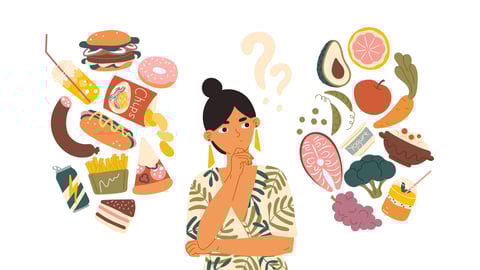
Nadeau says Groupe Beaudry’s research into women shoppers identified several areas of opportunity, including “healthier products; morning breakfast offers, such as a variety of coffee options, pastries and juices; lunch meals, including premium sandwiches and wraps; and alcoholic beverages, particularly RTDs, as well as zero-alcohol and zero-calorie options.”
Don’t forget the java
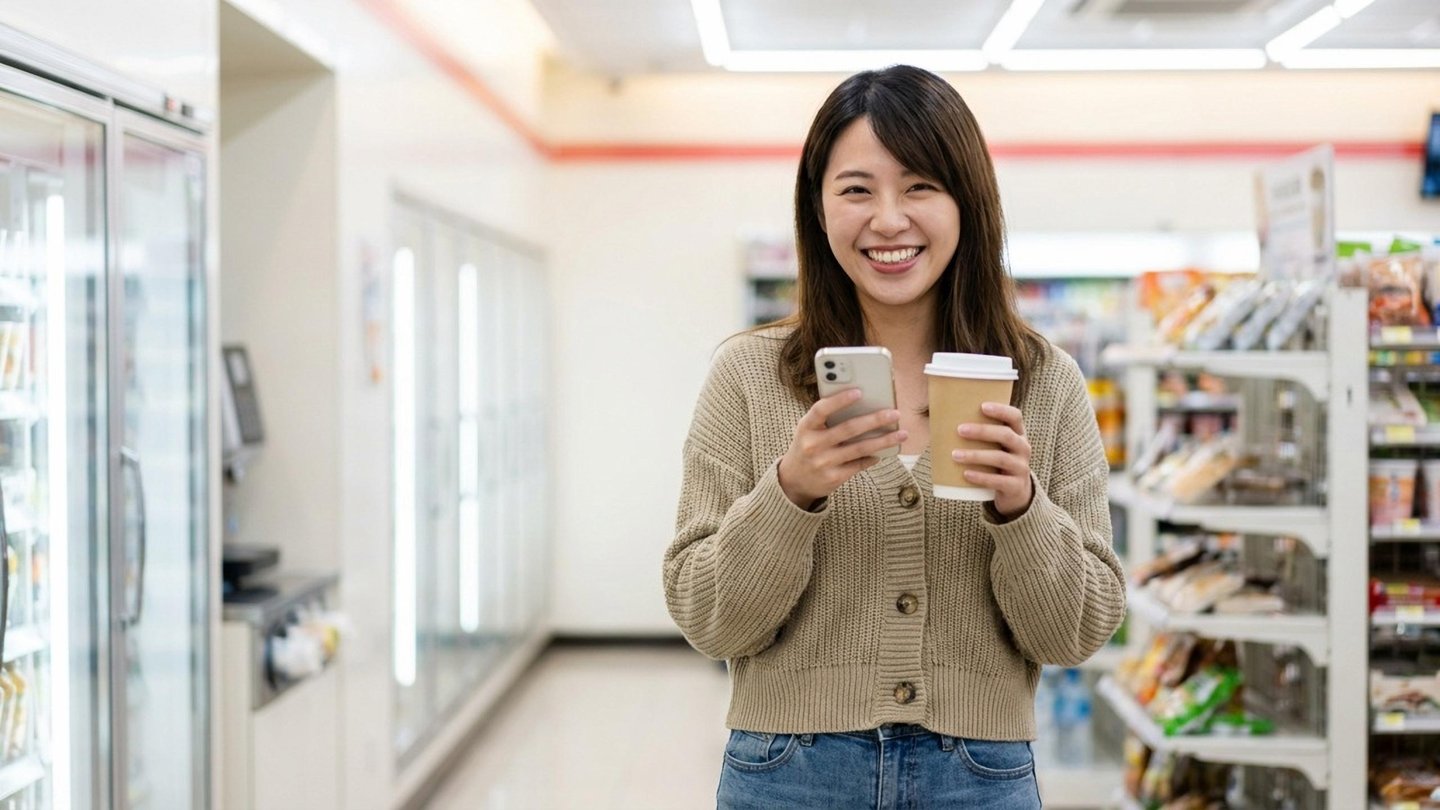
When it comes to product categories, experts say c-stores shouldn’t overlook coffee, particularly premium and specialty beverages.
“Premium beverage culture has become deeply embedded in female shopping behaviour,” says Hutcheson. “Many women routinely choose cafés because of quality, customization and atmosphere.”
To compete for those trips, she recommends that c-stores elevate their beverage offer with:
• Specialty coffee programs
• Cold brew and iced beverages
• Functional drinks
• Matcha and tea
According to 2024 data from the Coffee Association of Canada, coffee drinkers are almost evenly split by gender: 49% female and 51% male.
Build connection
“Women are often highly engaged with local businesses and community connections,” says Hutcheson. For c-stores, she says that creates opportunities to strengthen their local relevance through:
• Partnerships with local food producers and businesses
• Community events and sponsorships
• Products from women-owned brands
• School and charity tie-ins
Women-owned brands include the aforementioned Alani Nu energy drinks, co-founded by fitness influencer Katy Hearn.
Give her more reasons to consider
In a c-store, where purchases are often made quickly and shoppers may not have the time or inclination to research a product elsewhere, clear information at the point of purchase can help make the decision easier.
For retailers looking to attract and better serve women shoppers, that creates an opportunity to make promotional messaging about more than price. Promotional space can also highlight product attributes that may matter to the shopper, from ingredients and calories to nutritional benefits and flavour.
Nadeau suggests c-stores take that approach when putting an item on promotion: “Message not only around the price but add relevant product information, like ingredients, calories, etc.”