
Ask the Expert: Why "FIFA Fever" is the marketing opportunity you can’t afford to miss


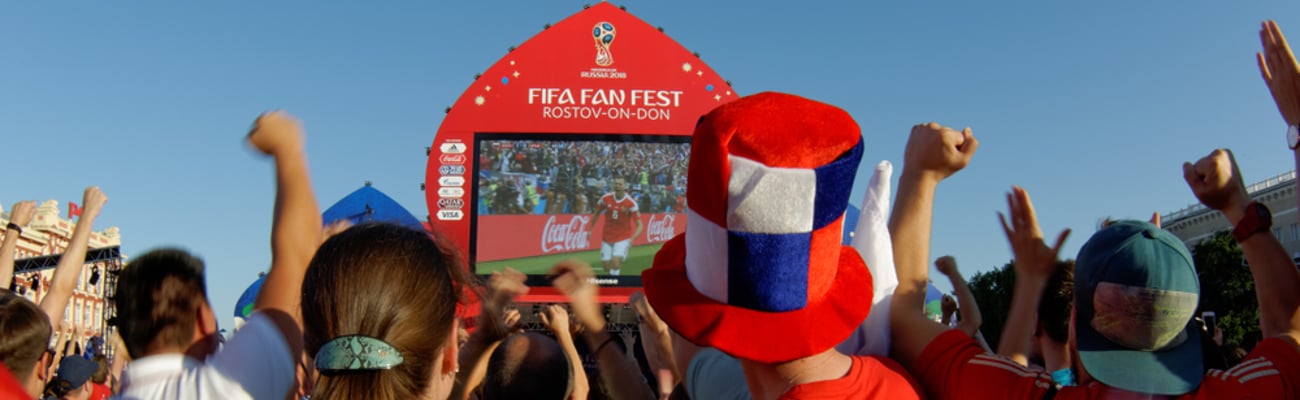
As Canada prepares to welcome FIFA fans from around the world, excitement is building: Fans and tourists are bringing revenue to both host cities and venues around the nation. The tournament is expected to transform both cities into months-long hubs of activity, with fans gathering in downtown cores, restaurants and public viewing events as well as passing through gas stations, convenience stores and car washes on their way to and from the games.
This influx of people creates a major opportunity for brands looking to reach large crowds, even without paying the steep costs associated with official FIFA sponsorships, according to Scott Mitchell, the managing director of Vistar Media Canada.
According to the leader in out-of-home advertising, the reach potential for brands is high. Vancouver is anticipating approximately 350,000 spectators, while the city’s FIFA Fan Festival is expected to welcome up to 25,000 visitors at a time over 28 days of programming. Toronto is expecting 270,000 spectators across its six matches with the city’s FIFA Fan Festival projected to attract up to 20,000 visitors per day over 22-days.
Mitchell discusses how out-of-home advertising is one of the most visible ways brands can tie themselves to the excitement surrounding the tournament – which also has an economic impact on the host city.
Convenience Store News Canada: Can you paint a picture of a soccer fan's journey from arriving in Toronto or Vancouver to making a purchase at a convenience store?
Scott Mitchell: Fans will interact with dozens of touchpoints throughout their day - from airports and transit stations to fan zones, restaurants and convenience stores. The opportunity for brands is to understand how audiences move through those environments and engage them with relevant messaging along the way. Digital out-of-home enables advertisers to reach consumers throughout the fan journey, helping brands stay visible at key moments when decisions are being made. For convenience retailers, that means connecting with fans as they're deciding where to stop, shop, eat or refuel.
CSNC: Convenience stores and gas stations are often the last stop before or after an event. How can brands use DOOH to influence consumers at that critical moment?
SM: Those moments are incredibly valuable because consumers are already in an action-oriented mindset. Whether someone is grabbing drinks before a match or picking up a late-night snack afterward, brands can use DOOH to deliver timely, contextually relevant messaging close to the point of purchase. Even without official sponsorship rights, advertisers can tap into the excitement and social rituals surrounding the tournament through creative that aligns with the fan experience. It's a powerful way to connect brand awareness with real-world action.
CSNC: What consumer behaviour patterns do you expect to emerge around World Cup match days?
SM: Major sporting events create predictable shifts in consumer movement. We expect to see increased activity leading up to matches, heavy traffic around fan zones and viewing destinations and another surge immediately after games conclude. Fans will be looking for convenient places to eat, shop and refuel as they move throughout the city. Retailers that align inventory, promotions and advertising with these audience patterns will be best positioned to capture demand.
CSNC: Outside the stadiums, where do you see the biggest audience concentration opportunities for advertisers?
SM: The audience opportunity extends far beyond the stadium gates. Airports, transit hubs, downtown entertainment districts, major commuter routes and convenience retail environments will all see elevated traffic throughout the tournament. The most effective advertisers will focus on the entire audience journey rather than a single destination, ensuring they’re present wherever fans are gathering, travelling and spending time.
CSNC: Convenience stores and gas stations have evolved into media environments. How attractive are they to brands trying to engage World Cup audiences?
SM: They're increasingly attractive because they combine audience scale with proximity to purchase. Consumers are already engaged in shopping or fuelling activities, creating a valuable opportunity for brands to influence decisions close to the point of sale. As retail media networks continue to grow, these environments are becoming an important extension of advertisers' broader omnichannel strategies
CSNC: Are you seeing more CPG brands using localized DOOH to drive impulse purchases during major sporting events?
SM: Absolutely. Major sporting events create predictable moments of heightened consumer attention and purchase intent, which is why we're seeing more CPG brands embrace localized DOOH strategies. The real advantage is the ability to connect with consumers in context, close to where purchases happen and at moments when interest is at its peak.
What's particularly exciting is how brands can tailor messaging based on factors like location, time of day, audience behaviour, or even what's happening in the game itself. We saw this firsthand in a campaign Vistar Media executed alongside the NBA and Rapport. During the playoffs, dynamic creative was customized by market, responding to local matchups, real-time scores, hometown victories, moderated social conversations and game-time countdowns. Because the campaign was programmatically activated, screens could be adjusted as teams advanced or were eliminated, ensuring the messaging remained relevant throughout the postseason.
That relevance translated into measurable impact, delivering a 7% lift in awareness, a 25% lift in consideration and a 25% lift in tune-in intent. While that campaign focused on viewership, the same principles apply to CPG brands. Whether it's promoting game-day snacks, beverages, or quick-service offers, localized DOOH allows brands to tap into fan excitement and influence purchase decisions when consumers are most likely to act.
CSNC: How can convenience retailers with digital screens leverage the World Cup opportunity?
SM: Retailers with digital inventory have an opportunity to participate in broader advertising campaigns while also promoting their own products and offers. Digital screens create flexibility to tailor messaging throughout the day and respond to changing conditions. For example, as fans gear up for a match, a retailer could run messaging like “Need to fuel up for the next game?” alongside promotions for snacks, beverages, or meal deals. That ability to adapt in real time creates a more relevant customer experience and unlocks additional value from retail media assets.
CSNC: What advantages do convenience and fuel retail media networks offer compared to traditional outdoor advertising?
SM: Retail media networks combine the broad reach of out-of-home with the advantage of being close to the point of sale. Brands can engage consumers when purchase decisions are actively taking place while also gaining access to richer measurement capabilities. That combination makes it easier for advertisers to understand how media exposure contributes to business outcomes.
CSNC: The World Cup is full of unpredictable moments. How can brands use real-time triggers to adjust creative?
SM: One of the strengths of digital out-of-home is its flexibility. Brands can adjust creative based on factors such as match outcomes, weather conditions, traffic patterns or time of day. That ability to stay relevant in the moment helps campaigns feel more engaging and connected to what consumers are experiencing.
CSNC: How quickly can brands update messaging after a major match result?
SM: In many cases, campaigns can happen within minutes. That speed allows brands to react while excitement is still high and conversations are actively happening, helping creative feel more timely, relevant and impactful.
CSNC: For independent retailers who assume DOOH is only for large brands, how accessible is it today?
SM: Programmatic technology has dramatically lowered the barriers to entry. Advertisers can launch campaigns with flexible budgets, target specific audiences or locations and optimize performance in real time. That accessibility makes DOOH a viable channel for regional businesses and independent retailers, not just national brands.
CSNC: Toronto and Vancouver will host major fan zones. How important is proximity when planning a campaign?
SM: Proximity matters, but it's only part of the equation. The real opportunity lies in understanding how audiences move before, during and after events. Fans won't spend their entire day in a fan zone—they'll travel through airports, transit systems, retail locations and entertainment districts. Successful campaigns connect those touchpoints to maintain visibility throughout the broader journey.
CSNC: Are brands increasingly prioritizing fan zones and transit corridors over traditional premium placements?
SM: Increasingly, advertisers are prioritizing audience behaviour over individual locations. Rather than focusing exclusively on landmark placements, brands are looking at where consumers are gathering, commuting and spending time. The goal is about reaching the right audience in the right moment, wherever that may be.
CSNC: If you were advising a convenience retailer near a fan zone, what would be your top recommendation?
SM: Focus on relevance, readiness and flexibility. Understand when traffic is expected to peak, ensure inventory aligns with demand and use digital signage to promote timely offers. Retailers that can adapt quickly to changing audience conditions will be best positioned to capture incremental sales.
CSNC: What role does dwell time play in convenience and fuel retail environments?
SM: Dwell time is an important advantage because it creates more opportunities for consumers to engage with messaging. Whether someone is fuelling their vehicle, waiting in line or browsing in-store, advertisers have a greater opportunity to communicate their message. Those extended interactions can help improve recall, consideration and overall campaign effectiveness.
CSNC: Official FIFA sponsorships are out of reach for many brands. How can non-sponsors still participate effectively?
SM: Brands don't need official sponsorship status to engage with World Cup audiences. The key is focusing on clever creative, relevant moments and locations rather than the tournament branding itself. By connecting with fans where they naturally gather and celebrate, brands can participate authentically and effectively.
CSNC: What types of messaging tend to perform best during global sporting events?
SM: The strongest campaigns are timely, culturally relevant and rooted in the audience experience. Consumers respond to messaging that feels connected to the moment, whether that's celebrating a big win, acknowledging tournament excitement or tapping into local pride. Simplicity, relevance and strong creative execution consistently outperform overly complicated messaging.
CSNC: How does Vistar measure the effectiveness of a World Cup-related DOOH campaign?
SM: Measurement has become significantly more sophisticated. In addition to reach and impressions, advertisers can now evaluate outcomes such as store visitation, audience engagement and cross-channel performance. These insights help brands understand how campaigns are influencing consumer behaviour and provide opportunities to optimize performance throughout the tournament.
CSNC: Are brands increasingly integrating mobile and digital campaigns with out-of-home media?
SM: Absolutely. The most effective campaigns today are increasingly omni-channel. Consumers move seamlessly between physical and digital environments and advertisers are increasingly building omni-channel campaigns that reflect that reality. By integrating mobile, online and out-of-home media, brands can create more consistent experiences and amplify campaign performance across channels.
CSNC: Looking beyond FIFA, what lessons should convenience and fuel retailers take from this event?
SM: The World Cup is a great example of how major events can reshape consumer movement and purchasing behaviour. Retailers that invest in audience insights, flexible media strategies and digital capabilities will be better equipped to capitalize on future opportunities. We’ve already seen how lessons learned from global events like the Olympics have influenced the way brands approached the World Cup and that cycle of learning will continue. The key lesson is that understanding where audiences are, how they're moving and what motivates action can help brands create more meaningful and measurable connections long after the tournament.