Turning custom specialty drinks into high-margin foot traffic

It’s not just a seasonal treat: Specialty drinks have evolved from a limited time offering to a more permanent place in convenience stores. Stores with a small footprint can still cash in on drinks, no matter what the weather. You don’t need to be a large chain like Tim Hortons, Starbucks or McDonald’s to drink in the profits, either.
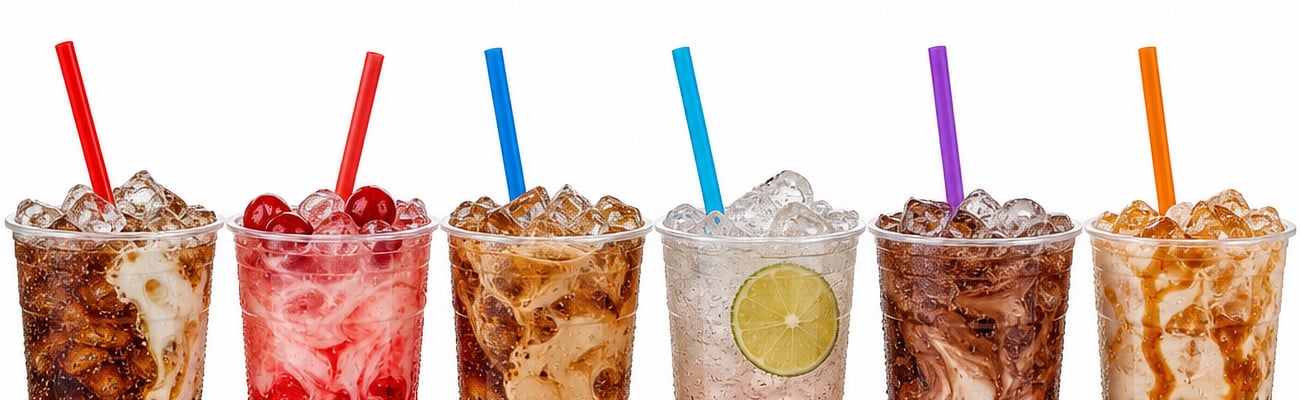
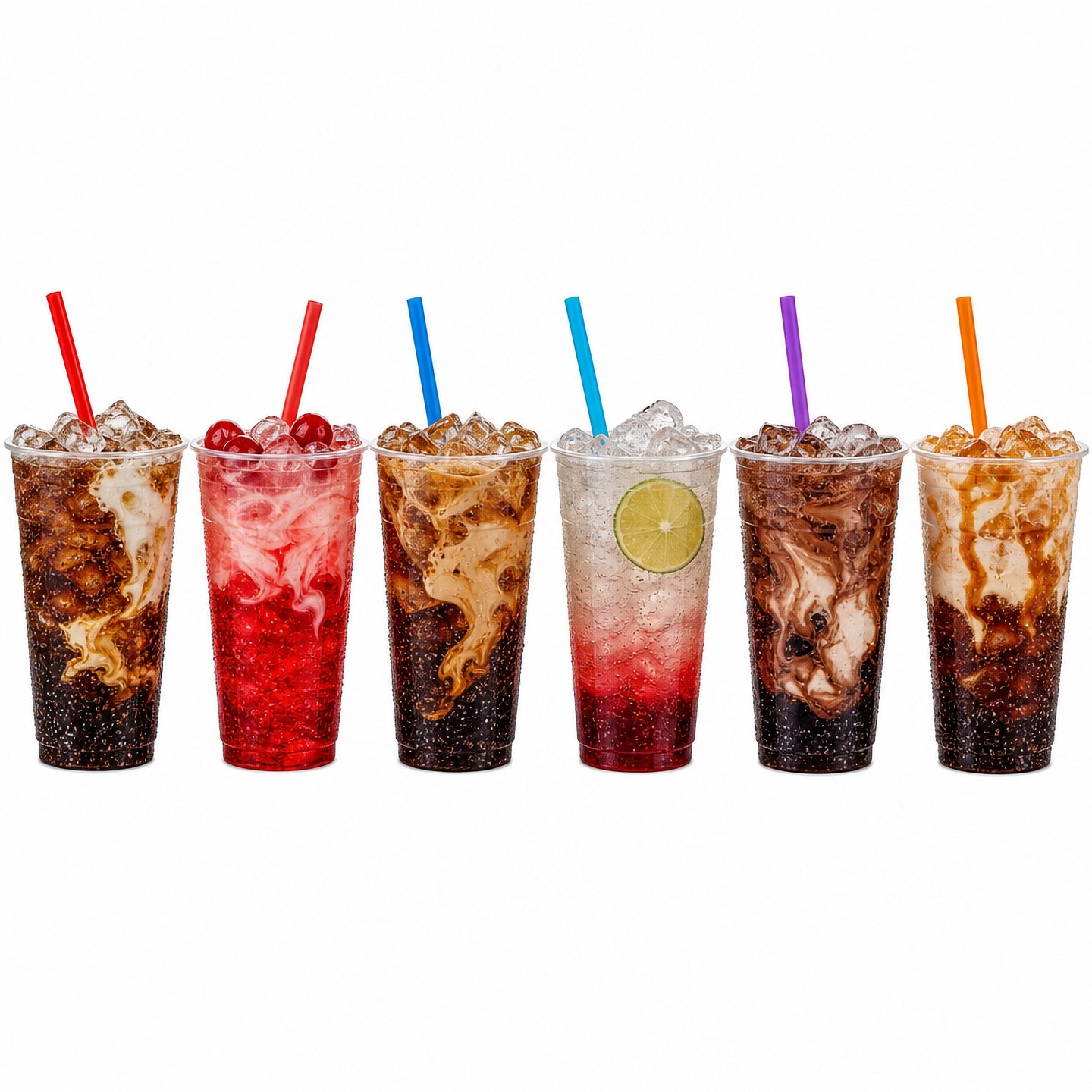
“Dirty sodas” have been attributed to starting around 2010 in Utah and becoming popular through reality shows that showcased the layered drink as a sober alternative to cocktails or as a sugar-free dessert alternative. It gained momentum during the pandemic, when wellness and non-alcoholic beverages took the spotlight as alternatives to mocktails or sweet treats.
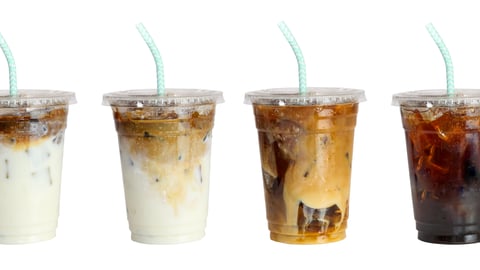
A dirty soda typically has four key ingredients: soda (either regular or diet), a flavoured syrup, cream such as half-and-half, heavy cream, whole milk or milk alternative, coffee creamer or coconut cream. It’s then topped with citrus or candy, giving the drink a textured appeal, similar to Tim Horton’s quenchers.
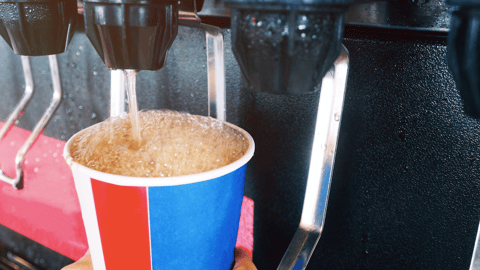
There are some drawbacks to offering customizable drinks: The initial cost of a fountain machine or frozen drink dispenser like a slushie machine may be daunting. Count how many of your customers request cold beverages before starting your beverage program.
Using LTOs to gauge thirst
A limited time offer is not just for large chains like McDonald’s Shamrock Shake. Smaller retailers can test out how their neighbourhood responds to frozen coffee or how many clients ask for a pump of almond-flavoured syrup in their coffee by offering an LTO. “Add your product in a LTO that consumers really want: something like that using culturally relevant flavours,” recommends Josh Spicher, research associate at Cleveland Research Company. He recently spoke at The Counter foodservice webinar, hosted by CSNC's U.S. sister publication, Convenience Store News.
An advantage to the LTO is that it can be a testing ground for a new offering without a large financial commitment. If a beverage didn’t sell the way it hoped, it can be removed from the menu and if demand surpasses expectations, it can be a permanent—even signature—offering to your store.
Wellness growing in the convenience store channel
Frozen drinks, cold beverages and even functional refreshers attract younger demographics. Many gen-Z customers are looking for health and wellness alternatives and turn to convenience stores with intention. Advertising cold juices or wellness shots can bring in clients looking for more than a thirst quencher.
Another obstacle is time: Customizing drinks, as self-serve stations can cause long line-ups and could slow down your store’s flow if machinery is slow or breaks down. Even McDonald’s is phasing out fountain machines as the chain focuses on streamlining its ordering process.
Staffing for frozen drinks or speciality coffees can take up time. Ongoing training is often necessary to ensure consistency of the product and safety for your employees.
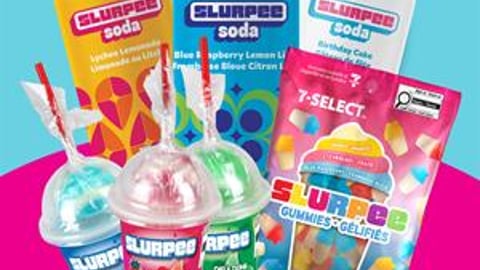
READ: 7-Eleven Canada celebrates Slurpee's 60th anniversary with new flavours, deals
Scalable, low-labour ways to customize drinks
Spicher cited the success of protein-enhanced beverages. “There's definitely been this consumer preference shift towards healthier eating,” Spicher stated. “We're seeing more restaurant chains testing and launching new items that are better for you, higher in protein, smaller portion sizes. Within all that, higher protein seems to be the biggest push here.”
Adding a scoop of protein powder to a milkshake or offering high-protein milk to coffee can boost beverage sales without a large investment. Adding a RTD protein shake to your shelves with store call-outs to direct foot traffic into the stores can bring in the post-workout crowd and early morning clients who forgot their breakfast as they fuel their car.
Syrups and wellness shots
Another way to add a personal touch or boost to a beverage would be to offer flavoured syrups for coffee. Offering seasonal flavours like pumpkin and/or cinnamon in the autumn, ginger and peppermint for winter and maybe a fruity option for spring and summer can be easily enjoyed all year round. The advantage to flavoured syrups is that they have a long shelf life, do not require refrigeration and can easily upgrade a coffee without time-consuming line-ups at the counter.
Wellness shots like immunity boosters are another way to upgrade either fruit juice or teas. They can be easily poured into either cold or frozen formats and offer another way to elevate your beverage offerings.
Spicher adds that based on common beverage business, if convenience stores “add in the modifiers, the flavours and add-ons, you have 20,000 possible drink combinations.”
Branding and signage
Not every shop has the budget for promotional signs, but partnering with a coffee program might help defray some of the costs. Professional companies provide graphic design for in-store merchandising and loyalty programs that can elevate your store.
Apps and loyalty programs
While larger chains like Circle K Canada have used apps from gamifying loyalty to offering discounts, smaller stores can still benefit from a digital presence. Using Uber Eats or Skip The Dishes to offer delivery services, is one way to bring the customers to you.
Another option is developing a proprietary loyalty program that notifies customers of sales and even offers a bonus. Enniskillen General Stores developed their “Ice Cream Club” which allows customers to collect points toward free ice cream, which is a great way to encourage repeat customers.
In short, customized beverages can be as low-effort or as complex as you can afford in terms of time and money. As Spicher sums it up, “I would really like to highlight here that made-to-order beverages is certainly an opportunity that convenience stores can likely get into in the space and doesn't necessarily have to be a full-blown barista.”