How c-stores can tap into fast-moving foodservice trends

Canadian convenience store operators are finding themselves in the middle of a massive shifts in consumer behavior. Once considered a last-minute destination for a quick tank of gas or a bag of chips, c-stores are evolving into legitimate foodservice competitors. To stay ahead of customer expectations, smart operators are turning to data to spot the difference between a fleeting social media fad and a long-term culinary trend.
During Episode 2 of The Counter: A Webinar Series from the Convenience Foodservice Exchange (CFX) Adam Friedman and Philip Santini shared how tracking menu data and adopting flexible operational strategies can help convenience store owners capture higher margins and build customer loyalty. Friedman is the vice-president of foodservice, North America, for Bento and Santini is the senior director of food service and bar strategy for Rutter's.
Decoding the menu adoption cycle
Navigating flavour trends requires understanding how ideas move through the marketplace. Friedman introduced the "menu adoption cycle," a framework that tracks food and flavour concepts through four distinct stages: inception, adoption, proliferation and ubiquity.
Friedman noted that inception begins in fine dining establishments or niche ethnic grocers, often fueled by viral online attention. As items gain traction, they move into fast casual spots and food trucks during the adoption stage. Mainstream quick-service restaurants and traditional grocery stores pick up these items during proliferation, while ubiquity means the flavour or concept is available nearly everywhere.
Historically, convenience stores have operated squarely in the ubiquity stage, offering tried-and-true staples. However, Canadian consumers now show an increasing appetite for proliferation-level flavours like matcha and soft, sweeter flavours like hot honey.
Santini tracks menu trends by monitoring a platform that analyzes over 980,000 menu items across the restaurant landscape.
“We started out many years ago as menus.com, literally back in 2001. People were faxing us menus, so we tracked words as they appear on a menu,” explained Santini. “Five years ago, you probably hadn't heard of hot honey. But hot honey became a category overnight. But as we're tracking hot honey, it's appearing on more and more menus, and we're able to capture something as it's really growing.”
READ: Maureen Simon Foods launches Caribbean-inspired Rolliis nationwide at 7-Eleven
Distinguishing between a temporary fad and a true trend
“Trends often start in food service before they make their way onto retail shelves or they make their way into a finished CPG product in a convenience store; or even on the outer aisle in the food away from home,” observed Friedman. “Same thing with prepared food in groceries. We definitely find people are paying attention to those trends as they're moving along that adoption curve. But as far as being able, I think it certainly helps being able to differentiate between what is the trend and the fad.”
Balancing innovation and familiarity to drive customer satisfaction
Recent consumer data highlights strong satisfaction with convenience store prepared food and beverage offerings. Satisfaction with food variety stands at 75%, while beverages reach an impressive 85%.
Despite these positive numbers, operators cannot afford to stand still. Two-thirds of consumers report that they desire a balanced mix of familiar items and new options, while only three % want something entirely new every single visit. This gives operators clear permission to innovate without abandoning core menu items.
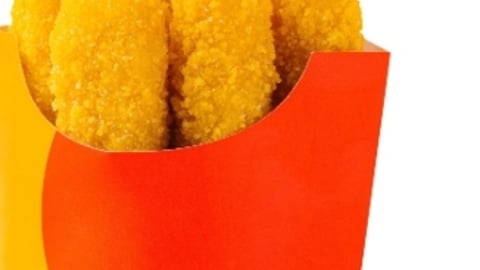
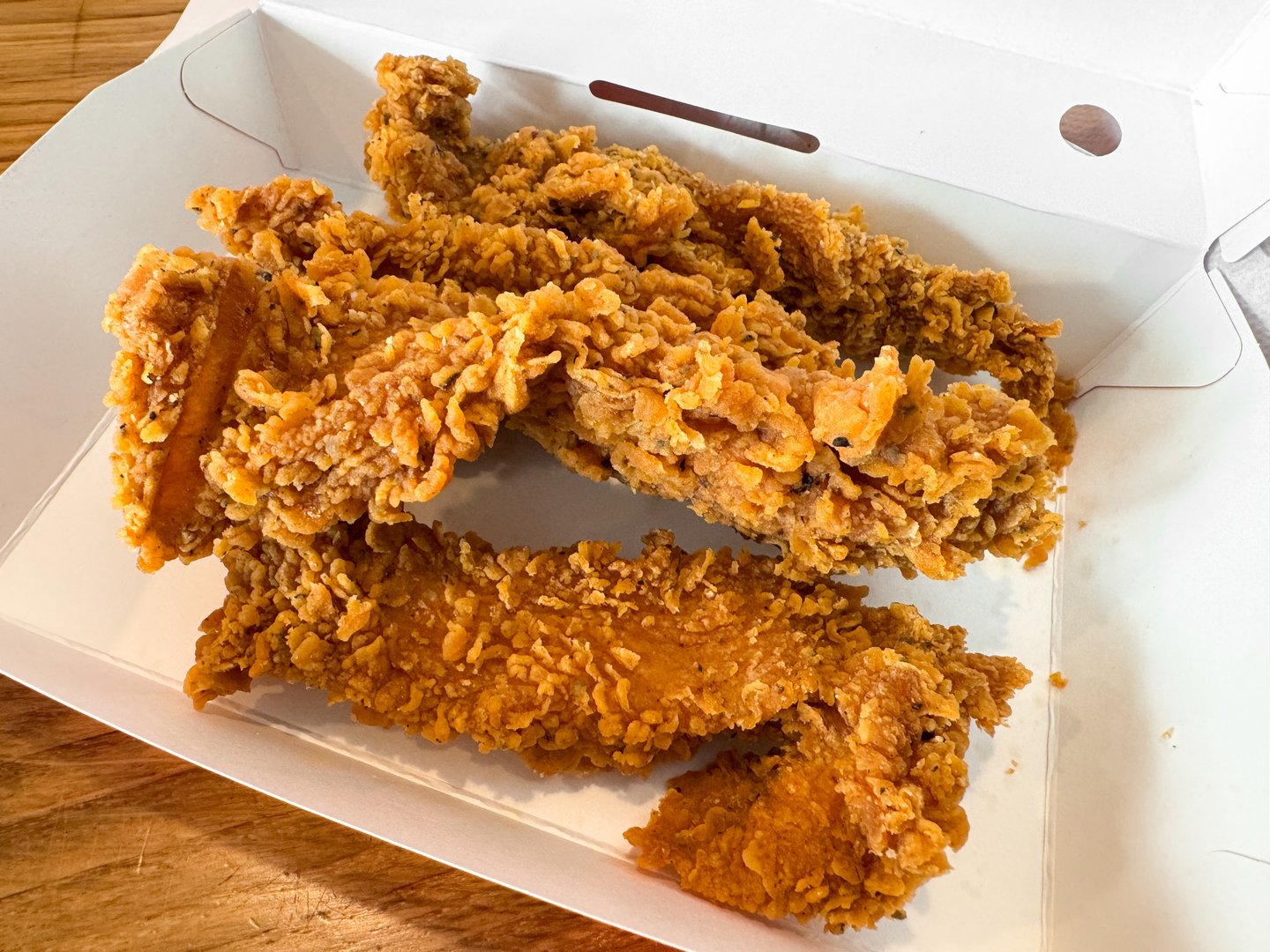
To minimize operational risk, retailers should heighten familiar moments by adding new flavour profiles to standard base items. Santini suggests pre-planning menus up to two years in advance and utilizing "rigs"—classic base items like standard chicken tenders or breakfast sandwiches—that can be easily manipulated with trending sauces, spices or toppings like avocado and hot honey.
When deciding where to stop for gas or a quick bite, consumers prioritize cleanliness, freshness and food quality well above loyalty programs or drive-thru access. In fact, 72 % of consumers weigh food and coffee quality when selecting a gas station.
However, price perception remains a challenge. Value perceptions have declined, with 31% of shoppers stating that prices are worse than three years ago. With 10 % of consumers buying food to eat in-store and commuters seeking quick, indulge-on-the-go bites, delivering visible quality is paramount.
Leveraging limited time offers as low-risk R&D
Limited time offers (LTOs) are one of the most effective tools for convenience store operators. The vast majority of operators deploy LTOs to generate excitement (81%), drive repeat foot traffic (80%) and attract new customers (78%).
Beyond marketing value, LTOs serve as low-cost research and development vehicles. They allow retailers to test innovative concepts and refresh menus without making long-term inventory commitments. While most successful LTOs yield modest sales lifts between zero and 10%, one-third of operators experience revenue spikes between 11 and 25%.
Operational efficiency is key when executing an LTO. Cross-utilizing ingredients already in the store helps manage storage constraints and reduces staff training burdens.
Marketing these offerings effectively requires an early digital push. Nearly half of all LTO purchases (49%) are planned before the customer sets foot in the store. Social media ranks as the most used marketing channel for operators at 75 % and the most effective at 39%, easily outperforming branded mobile apps and static websites.
Capturing the “little treat” culture and “liquid snack” craze
The rise of "little treat culture"—the habit of making small, affordable purchases as a moment of self-care—aligns perfectly with the convenience store model. Half of all consumers report snacking when they need an emotional lift and two-thirds indulge in little treat behavior at least once a week, with 24% doing so daily.
“No cooking, no reservation, no planning, no waiting, said Friedman. “It's just a small purchase that makes the day a little bit better and that is exactly the transaction that a convenience store is built to serve.”
For younger demographics, snacking frequently replaces traditional dining. A striking 70% of Gen Z consumers replaced a traditional meal with a snack at least once a week over the past month.
Texture has emerged as a major factor driving snack choices. 37% of consumers express interest in trying novel textures, such as boba, cold foam and extra crunchy toppings.
Alongside solid snacks, the "liquid snack" category is exploding. Defined as a beverage that functions as an indulgent treat rather than simple hydration, this space represents the fastest-growing sector in convenience foodservice. Tim Hortons tested its version of the “dirty soda” by testing out it’s Poppin’ Frozen Quenchers. Non-alcoholic beverage launches lead all product development activity alongside sandwiches.
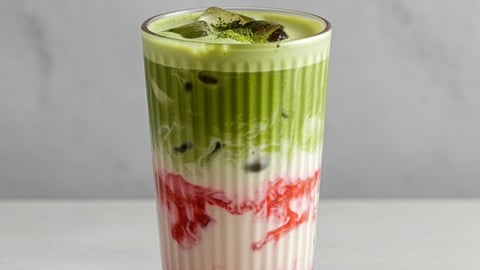
Trending liquid snacks include dessert-inspired flavour profiles like vanilla cream, chocolate chip and salted caramel, which appeal to 70% of consumers. Bright, visually striking beverages like dragon fruit refreshers and matcha are also climbing rapidly.
Friedman said that when they ask consumers what would make them order a coffee from convenience stores, it is most likely to be for either a morning coffee or a sweet treat. “Think about those dessert-inspired beverages,” he suggests.
Santini recommends placing trending specialized beverages behind the service counter rather than on the self-serve coffee bar, allowing operators to control ingredient costs and gather consumer data. ”unless you're just looking at your sales and what you're purchasing for the items, you might be missing out on some data and insights that way. So my recommendation potentially put some of these behind the house.”