
SPECIAL REPORT: Harvesting growth with beer and cider


Beer remains Canada’s largest alcohol category, generating $9.1 billion in retail sales and accounting for more than 35% of all alcohol sales nationwide, according to Statistics Canada. But while beer continues to anchor the category, cider is quietly gaining momentum, becoming the only major alcohol segment to increase its market share last year.
With more convenience stores now able to sell beer, cider, wine and ready-to-drink coolers (RTDs), operators in select provinces have an unprecedented opportunity to grow beverage alcohol sales, especially if they can tap into changing consumer preferences.
For retailers, success is no longer about stocking the most products. It’s about curating the right selection, strong in-store merchandising and collaborating with suppliers to keep pace with one of the fastest-evolving categories in convenience.
Understanding today’s beer shopper
One of the clearest trends emerging across the beer category is that consumers are no longer shopping with a single priority in mind. Value remains important, but it ranks high along with premiumization and flavour exploration.
“We’re seeing a clear shift in Canada toward large, trusted brands, both local and international heritage,” says Rob Legate, senior vice-president of sales, Labatt Breweries of Canada. Brands such as Michelob Ultra, Busch and Corona continue to attract loyal shoppers, while the non-alcohol segment is creating new opportunities for retailers to meet consumers’ changing lifestyles.

Lindsay Wilson, general manager of Ontario sales at Molson Coors Beverage Company notes that moderation and choice are becoming central to how Canadians gather, driving a mindful drinking evolution. “As consumers look for more flexibility in how they participate in those occasions, moderation and choice are becoming a bigger part of how people gather,” says Wilson. This has led to trends like “zebra striping”—alternating between alcoholic and non-alcoholic drinks during an event—creating strong opportunities for brands such as Heineken 0.0, Coors Edge, Molson Excel and Blue Moon NA.

According to Chris Gojmerac, national director of sales and marketing for Carlsberg Canada, consumers are buying brands that offer a clear reason to purchase. “Shoppers are balancing value with premiumization,” he says. “Some are looking for trusted brands that deliver great value, while others are willing to trade up for a more distinctive experience.”
Wilson emphasizes that premiumization is significantly shaping cooler strategies, as shoppers are often willing to pay more for products delivering perceived quality or matching specific occasions. “What might surprise independent retailers is that shoppers aren't always chasing the lowest price point,” Wilson explains, while reinforcing that value brands remain vital for budget-conscious buyers, making a balanced assortment across price tiers essential.
Premium international brands are gaining traction, particularly in urban markets, while value brands continue to resonate with budget-conscious shoppers. Craft beer is evolving, too. Ontario’s craft breweries are focusing on approachable styles with broader appeal.

“Easy-drinking premium is winning,” says Carly Howarth, director of sales at Toronto’s Burdock Brewery. “People want premium flavour without intimidation.” That means crisp lagers, balanced pilsners and juicy IPAs that introduce shoppers to the craft category without overwhelming them.
Matt Giffen, founder and president of Bench Brewing in Beamsville, Ont., has also seen consumers gravitate toward products delivering both flavour and value. He says convenience stores are experiencing growing demand for higher-ABV offerings, while lower-sugar beverages and products made by Canadian companies with strong sustainability credentials are also gaining traction.
Cider finds new fans
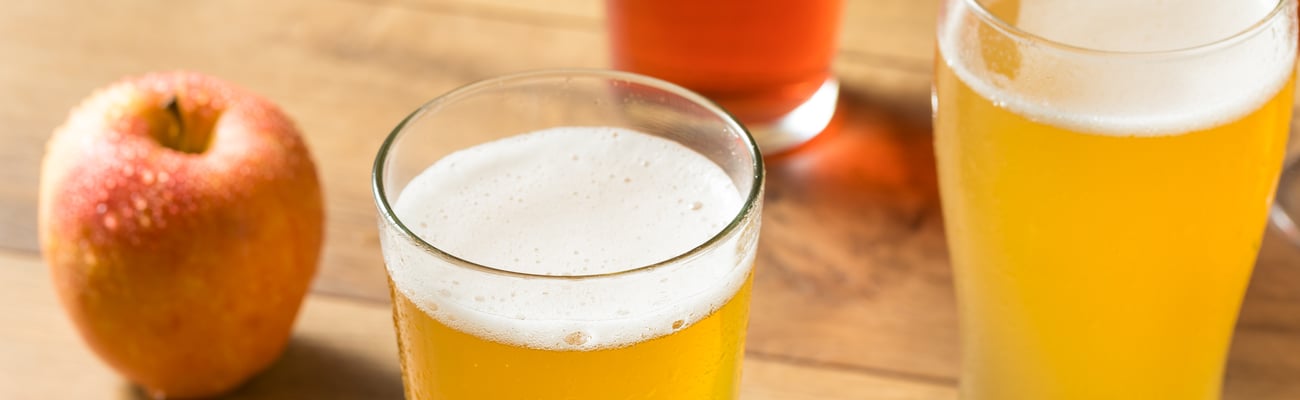
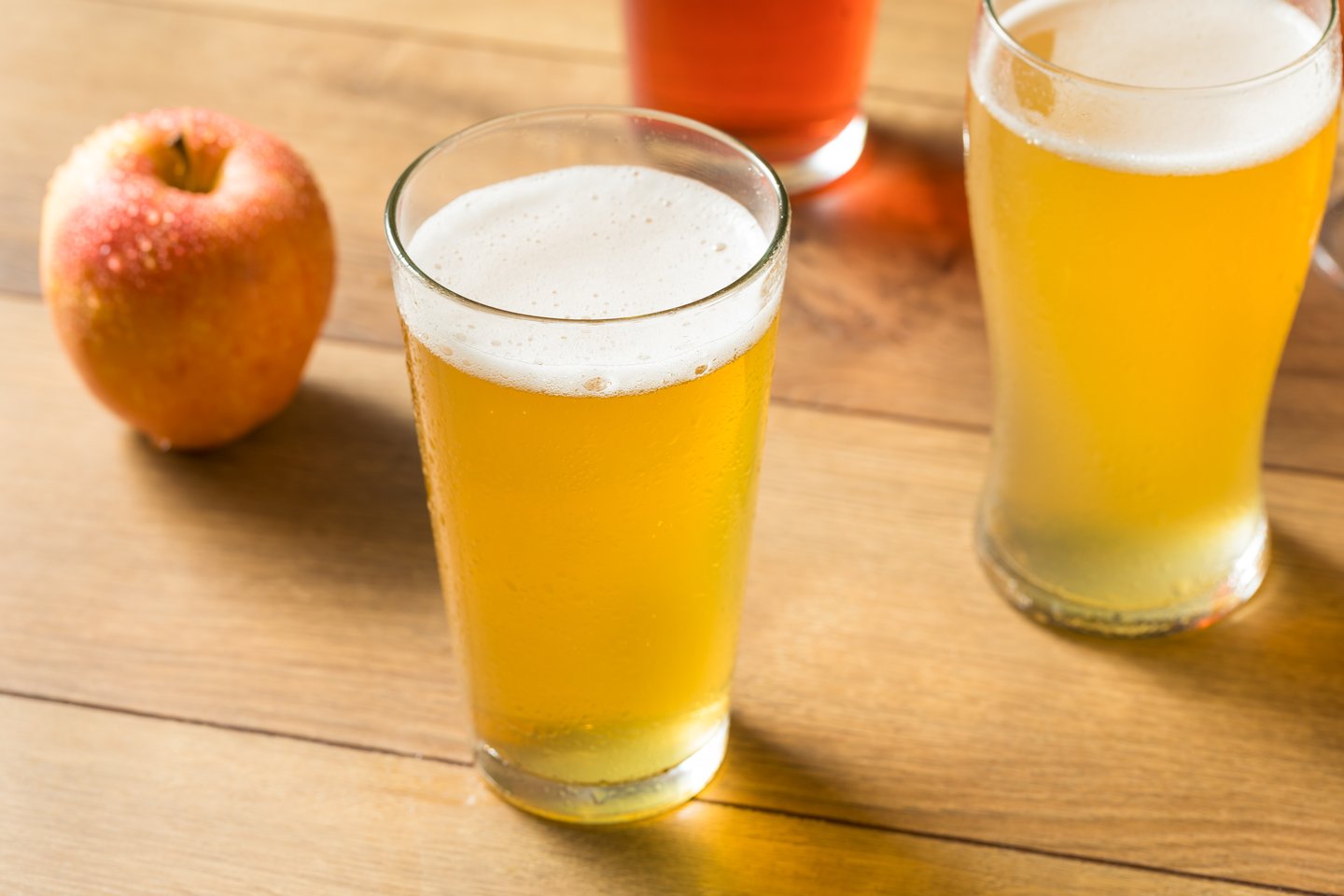
Although beer remains the dominant category, cider continues to evolve beyond its traditional audience. While overall alcohol consumption has declined, cider remains a bright spot. Cider and coolers increased their share of total alcohol sales to 9.3% in 2024/25.
Rich Fortin, VP of sales and marketing at Thornbury Craft Co., says premium, locally crafted cider is also gaining momentum as consumers increasingly seek authenticity and quality. “We’re seeing particularly strong demand for crisp, refreshing, apple-forward ciders that are approachable and easy to enjoy year-round,” he says. “Consumers increasingly want to support Ontario producers and cider offers something that is both familiar and refreshingly different from beer and ready-to-drink cocktails.”

Consumers also want more flavour cider choices, says William Andriske, key account manager for grocery and convenience at Arterra Wines Canada. “While traditional apple cider remains a staple, consumers are increasingly seeking fruit-forward and non-apple flavour profiles that offer something new and refreshing.”
Suppliers are responding with adventurous options, like citrus, tropical and pear flavours, while continuing to highlight classic apple styles. Andriske also points to another important shift. Shoppers are becoming increasingly value-conscious. “They’re actively looking for promotions, comparing brands and willing to try new products when they find a compelling reason.”
Fortin says today’s cider drinkers are also paying closer attention to ingredients and balance. “Consumers seek beverages made with recognizable ingredients, real fruit and a genuine sense of place,” he says. While classic apple cider remains the backbone of the category, interest continues to grow in unique flavour combinations and craft offerings. At the same time, he points out that consumers are gravitating toward less-sweet ciders that allow an apple’s natural characteristics to shine through.
Cider continues to benefit from broader lifestyle trends. Fortin notes that because cider is made from apples rather than grains, it appeals to many consumers seeking a gluten-free alcoholic beverage. He adds that shoppers looking for simple ingredient lists and more mindful drinking occasions are discovering cider as a refreshing alternative.

Stocking smarter
If there is one consistent message from suppliers, it’s that retailers should focus on offering a balanced mix that reflects how their local customers shop versus trying to carry every SKU available. That starts with stocking trusted national brands that shoppers expect to find.
For Labatt, that includes core names such as Budweiser, Bud Light, Busch, Michelob Ultra, Corona and Stella Artois, alongside a growing range of alcohol-free options led by Corona Cero and Michelob Ultra Zero.
Carlsberg recommends a similarly balanced approach built around value beer, premium imports, cider and alcohol-free choices. Gojmerac says shoppers increasingly expect to find familiar brands regardless of where they shop, making availability just as important as selection.
Craft breweries, meanwhile, encourage retailers to reserve meaningful space for Ontario producers. “Keep Ontario craft cold and at eye level,” suggests Howarth. “The convenience shopper is impulsive, so visibility at the grab-and-go moment is everything.”
Giffen agrees, encouraging retailers to dedicate shelf space to local breweries while using new product introductions to encourage shoppers to explore beyond their usual purchase. While single sales dominate, companies report growing demand for six-packs and even 12-packs.
When it comes to merchandising new and experimental products, Wilson cautions against creating a separate “new arrivals” section. Instead, innovation should be placed within its relevant category next to familiar brands. “A new RTD seltzer should sit with other RTDs and seltzers, a new craft IPA belongs with other craft beer, and a non-alc beer should be merchandised with other non-alc options,” Wilson says. “Placing innovation within its relevant category, right next to the familiar brands consumers already trust, is what drives trial.”
Innovation keeps the category fresh
Core brands may generate consistent volume, but innovation is what keeps shoppers engaged. New flavours, formats and styles give consumers a reason to look beyond their usual purchase while helping retailers create excitement in a category where impulse buying is common.
One of the biggest trends is format innovation. At Burdock Brewery, Howarth says smaller cans are opening the category to new drinking occasions. Its 222 ml Pocket Pilsner, for example, appeals to shoppers looking for a premium beer in a smaller format. “You get a little treat without committing to a full-size can,” she says.

At the other end of the spectrum, larger single cans continue to gain traction in convenience. Bromlyn Bethune, president of Steam Whistle Brewing and Beau’s Brewing Co., says consumers increasingly recognize the value proposition offered by larger formats such as 568 ml cans, particularly for immediate consumption. “Consumers are always looking for value,” she says. “If they can spend a little more and get a larger format, they'll often make that choice.”
Higher-alcohol products are also generating interest. Giffen says Bench has seen strong demand for products such as its Solar Flare Fruit Sour, reflecting a broader trend toward higher-ABV beverages in convenience stores.
Cider is evolving just as quickly. Growers recently expanded its portfolio with Tropical Clementine Pineapple Cider, while refreshing one of its flagship products by moving Tart Granny Smith Apple into a 473 ml, 7% can. Both reflect the trend toward fruit-forward flavours and larger formats.
Carlsberg is taking a similar approach with Somersby. Alongside a refreshed global brand identity, the company is expanding into both ends of the market with Somersby Zero for consumers seeking alcohol-free options and Somersby Dry 7% to meet growing demand for drier, higher-strength ciders.
Thornbury Craft Co. is also investing in innovation with the recent launch of Wild Blueberry Elderflower Craft Cider into Ontario’s convenience channel. Combining juicy wild blueberries with subtle notes of elderflower, the cider reflects growing consumer demand for unique options.
Merchandising matters
Even the strongest assortment won’t perform if shoppers can’t find it. In every interview completed for this story, one recommendation surfaced repeatedly: keep products cold, visible and easy to purchase. As Legate emphasizes, “Nothing matters more than having the right product cold and in stock.”
That may sound obvious, but it remains one of the biggest opportunities in convenience. Unlike grocery shoppers, c-store customers are often making purchases for immediate consumption. If the product they want isn’t chilled, they’ll choose something else.
Visibility is equally important. Eye-level placement, clear shelf organization and easy-to-read pricing help customers make quick decisions. Suppliers also recommend grouping brands logically rather than scattering products throughout the cooler, making it easier for customers to compare styles and pack sizes.
Craft beer deserves prominent placement as well. Howarth recommends giving Ontario craft brands dedicated space at eye level, which increases trial, particularly when single cans are merchandised near the front of the cooler.
C-stores should also think beyond the cooler. Cross-merchandising beer and cider with salty snacks, barbecue essentials, prepared foods or pizza can increase basket size, while making it easier for shoppers to complete a purchase in one stop.
Fortin says cider’s versatility creates additional merchandising opportunities. Its bright acidity and fruit-forward character pair well with many grab-and-go convenience foods, from salty snacks and pizza to sweet treats, making cider an easy add-on purchase for customers.
Occasion-based merchandising is another effective strategy. Long weekends, big sporting events and holiday celebrations all create opportunities to build displays, adjust inventory and highlight featured products. “Beer isn’t just a beverage,” says Bethune. “It’s connected to some of life’s biggest occasions.”
Tap into partner support
As alcohol sales continue to evolve in convenience, suppliers are increasingly positioning themselves as category partners rather than simply product vendors. Many provide retailers with merchandising advice, sales data, educational resources and promotional support designed specifically for the convenience channel.
Bench Brewing places a strong emphasis on staff education, helping employees understand different beer styles so they can answer questions and confidently recommend products to customers.
Arterra Wines Canada regularly shares category updates and seasonal ordering advice with convenience retailers, along with planogram recommendations that help operators make the most of limited cooler space.
Thornbury Craft Co. is also expanding its convenience presence while supporting retailers through digital and social media campaigns, particularly during the fall season when consumer interest in Ontario apples and craft cider increases. Fortin says introducing distinctive flavours into the c-store channel helps create excitement and encourages shoppers to explore beyond traditional beer and RTD options.
Steam Whistle and Beau’s support retailers through seasonal promotional programs and limited-edition packaging tied to key selling periods, while Carlsberg works with retailers on everything from temporary price promotions and point-of-sale materials to cooler signage and digital assets.
Gojmerac says success comes from focusing on sell-through, not simply distribution. “Our goal isn't just to get products listed,” he says. “It’s to help retailers sell them.” That collaborative approach is becoming increasingly important as c-stores refine their alcohol assortment and adapt to changing shopper behaviour.
Final thought
Beer and cider remain key destination categories, but success depends on offering the right mix of trusted brands, innovation, value and local options. Retailers that focus on shopper needs rather than maximizing SKUs will be best positioned to grow sales and loyalty.
- HOSPITALITY LESSONS FOR CONVENIENCE RETAIL
Convenience retailers may not operate restaurants or bars, but they can learn a lot from what hospitality operators are seeing firsthand.
Jacob Martin, bar director at Liberty Entertainment Group, says the beer category is currently at an interesting tipping point. While the overall beer volume has softened, he believes the consumers who are still drinking beer are often trading up and looking for products with a clear point of difference.
“We are at an unusual crossroads in beer consumption,” says Martin. “People are regressing towards nostalgic and refreshing skews like never before. Think crisp sessionable lagers, legacy brands and session IPAs.”
That shift has implications for c-stores. While innovation remains important, shoppers are also gravitating toward familiar, approachable styles that are easy to understand and fit a variety of occasions.
Martin says cider, radlers and ready-to-drink beverages have benefited from their ability to attract consumers who may not traditionally reach for beer. Fruit-forward flavours and refreshing profiles provide an accessible entry point, particularly among younger consumers.
His views also reinforce the importance of a curated assortment. In hospitality, Martin says beverage programs have moved away from lengthy beer lists in favour of a more focused selection of proven favourites, complemented by more unique products.
For convenience operators working with limited cooler space, the lesson is similar. Success may come from carrying fewer, stronger-performing SKUs rather than trying to offer every option available.
Looking ahead, Martin expects interest to continue growing in classic beer styles, including pilsners, wheat beers and other lighter offerings. For retailers, that means the future of beer may not be about choosing between tradition and innovation. Instead, it’s about finding the right balance between both.
His advice to c-stores? “I would lean into your wine selections, canned cocktails and RTD’s, while focusing on beers with proven track records with your core demographic.”
This article was originally published in the September/October 2026 issue of CSNC.