How Canadian food trends will reshape c-store sales in 2027

Canadian convenience store operators are navigating an economy defined by ongoing food inflation, shifting demographics and fast-moving technology. According to a new national report, shoppers are responding to this uncertainty by taking tighter control over what they eat, drink and buy at the counter.
The 2027 Trend Report is the first collaborative study released since independent brand agency Pigeon Brands acquired Nourish Marketing. Drawing on brand strategy, innovation and culinary insights from teams in Montreal, Toronto, Vancouver and Ottawa, the report shows how eaters are moving away from passive shopping. Instead, Canadians are treating food as an intentional system to manage their health, mood and daily routines.
For convenience retailers, these shifts present major opportunities to rethink cooler doors, hot food programs and impulse displays.
Why shoppers take control of their snacks
Consumers rarely feel less in control of the broader world, yet they are claiming power right inside their pantries and lunch bags.
"In 2027, the central thread is control—not through the rigid willpower of past diet fads, but through empowerment," says Jo-Ann McArthur, founder of Nourish Marketing and vice-president of transformation and growth at Pigeon Brands. "The consumer is moving from generic 'healthy' food to outcome-focused systems, treating snacks as deliberate moments of joy, and using smartphone cameras to screen packaging."
Elyse Boulet, chief executive officer and managing partner of Pigeon, notes that connecting cultural shifts like little luxuries or daily rituals to on-shelf execution gives brands and retailers a clear roadmap for meeting these evolving habits.
Food and beverage trends impacting convenience retailers
The report highlights six major trends shaping the Canadian food, beverage and agri-food sectors in 2027 and beyond. Here is what they mean for c-store operators across the country.
READ: What 2026 delivery data reveals about Canadian c-store food trends
1. Functional snacks and outcome-driven eating
Generic "healthy" labels no longer move products on their own. Shoppers are practising macro management by pairing specific foods, beverages and supplements to hit clear personal goals like better sleep, lasting fullness or metabolic health.
Beverages and snacks no longer compete just on flavour or price; they have to earn a spot in a customer's daily health routine. Stocking high-protein grab-and-go items, functional waters and targeted energy drinks helps capture these intentional buyers.
2. Anti-inflammatory foods gain spotlight
Chronic inflammation is replacing cholesterol as the main long-term health metric Canadians want to track and improve. As wearable biosensors and continuous health monitors become more common, shoppers are looking at everyday food as their most accessible tool for longevity. Expect rising demand for beverages and snacks featuring ingredients like turmeric, ginger, berries and omega-3s.
3. The ‘little treat’ economy boosts impulse sales
Even when budgets are tight, shoppers refuse to give up small indulgences. Instead, they use affordable snacks as deliberate mood boosters. The catch is that craveability must come first, with added health benefits riding in the back seat. C-store operators can win at the register by spotlighting decadent-tasting treats that quietly offer extra protein, fibre or lower sugar without sacrificing flavour.
4. Ready-to-heat meals replace traditional mealtimes
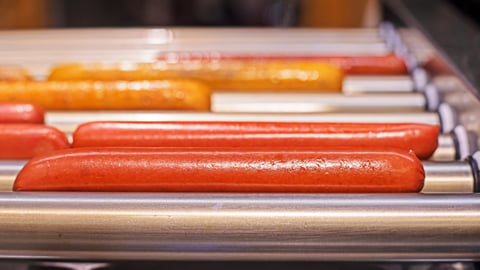
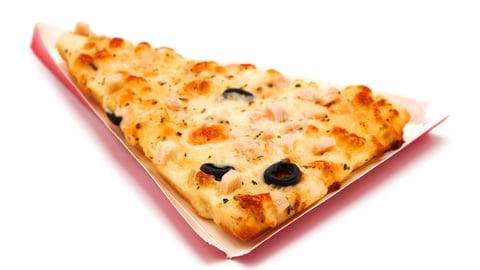
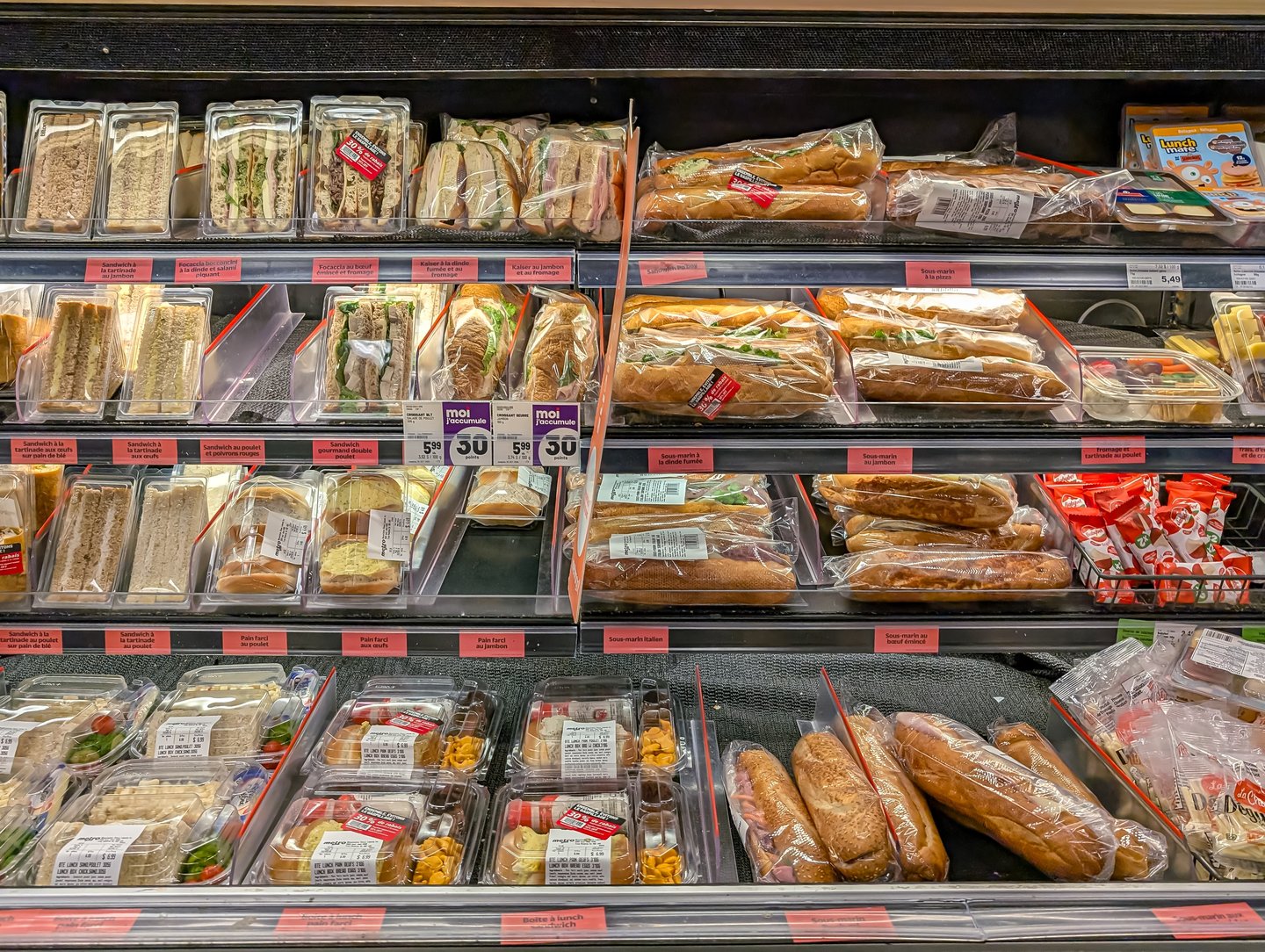
The old routine of eating three square meals at set times is fading. Shoppers are eating based on their own schedules and bodily rhythms. At home, meal preparation has split into weekend cooking for fun and quick weeknight cooking just to get by. This shift creates massive upside for convenience foodservice. High-protein, ready-to-heat entrees and hybrid meal solutions give busy commuters an easy, satisfying dinner option on the drive home.
5. Sensory experiences drive foot traffic
As artificial intelligence shopping assistants and automated online deliveries take over boring staple grocery runs, physical stores are winning on discovery and sensory appeal. Shoppers visit brick-and-mortar locations for fresh aromas, visual excitement and immediate gratification. C-stores that lean into fresh coffee programs, warm bakery cases and bold, limited-time snack flavours will stand out from automated online carts.
6. ‘Clean’ packaging and barcode scanners audit the shelf
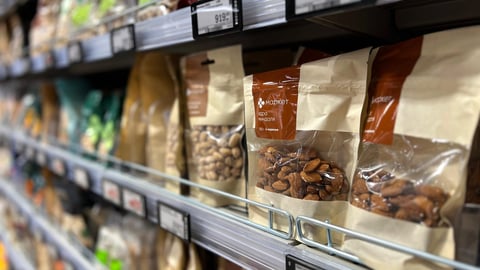
Clean-label expectations now reach far beyond the ingredient list. Driven by worries over microplastics, ultra-processing and what some consumers call "forever chemicals" like PFAS, shoppers are pulling out their smartphones to scan barcodes and audit packaging right in the aisle. Retailers and suppliers that prioritize transparent sourcing, minimal processing and safer packaging materials will build lasting trust with label-conscious customers.
Winning the 2027 convenience customer
The days of relying solely on legacy impulse buys are evolving. As McArthur notes, the winning brands and retailers in 2027 will be the ones that hand consumers the controls rather than asking them to compromise. By curating coolers and hot cases around transparency, craveable function and convenient meal solutions, Canadian c-store operators can turn economic uncertainty into steady basket growth.